 IT Strategy
 IT Consulting
 Data Services
 IT Infrastructure Projects
 IT Procurement
 Business Continuity Planning
 Virtual CIO
 Cloud Migration Services
 Managed IT Services
 IT Support Services
 Managed Cloud Services
 Managed SharePoint Services
 Unified Communications
 Connectivity
 Offshore Staff Outsourcing (BPO)
 Managed Security Services
 ACSC Essential 8
 Cybersecurity Risk Assessment
 Cloud Backup and Disaster Recovery
 Cyber Security Connect and Protect Program
 Automation
 Power BI
 Careers
 Awards and Certifications
 Management Team
 Case Studies
 Sell Your IT Business
 Our Commitment to the Environment
 CSAT Charity Donations
 Media Kit
 Sydney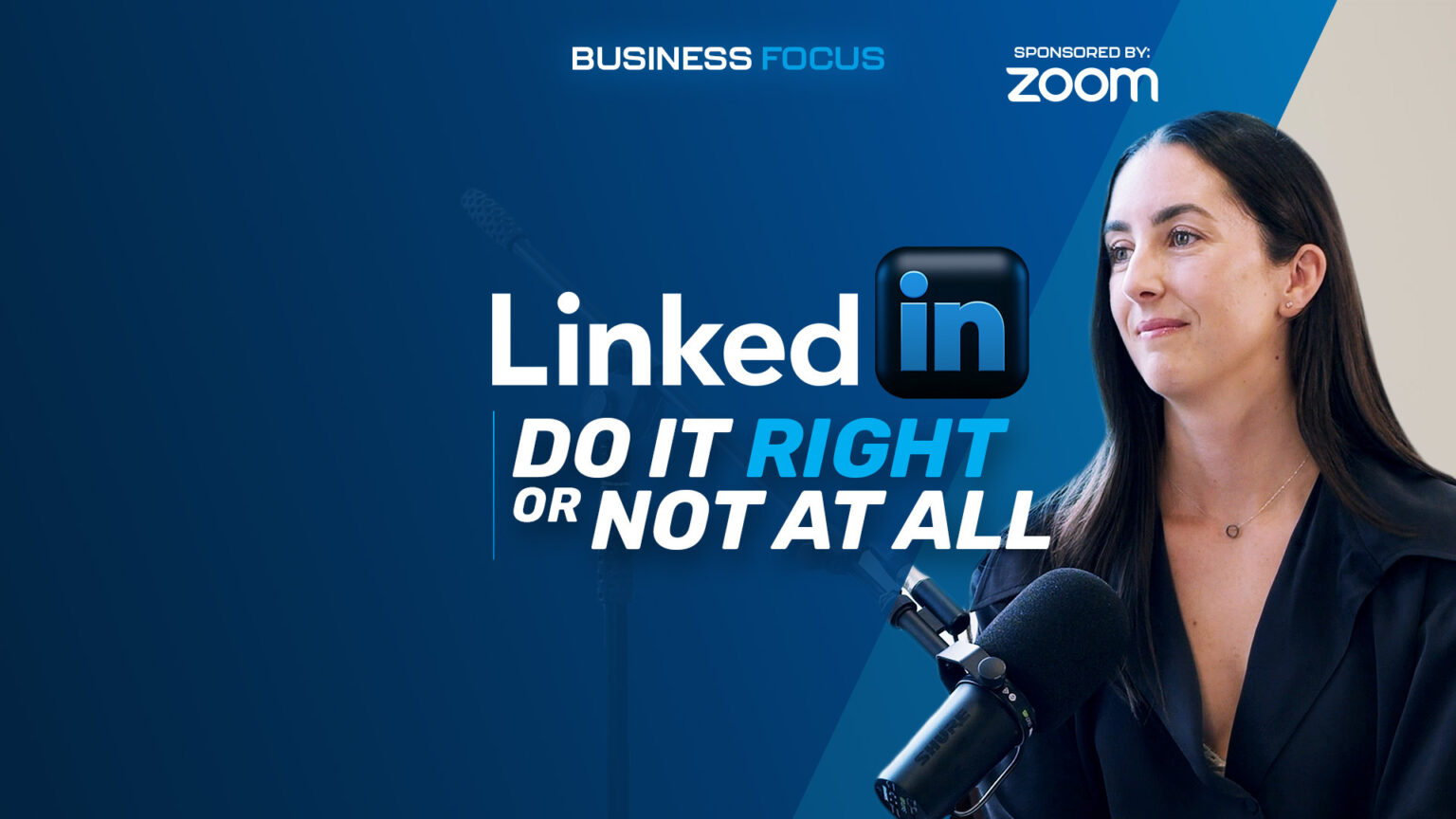
Real Tactics for Real Impact: Using LinkedIn to Drive Sales in Australia
Is your LinkedIn strategy driving real results, or just ticking boxes? Whether you’re in marketing, business development, or sales leadership, this is your blueprint for cutting through the noise and generating meaningful conversations.
Episode Highlights & Key Takeaways
-
- The top mistakes most teams make on LinkedIn
- Why Sales Navigator isn’t always the silver bullet
- How to build a personal brand that drives leads
- Crafting high-converting LinkedIn campaigns (without wasting budget)
- The importance of knowing your ICP and building fit-for-purpose lead magnets
- How to scale engagement without sounding robotic
The Current State of Sales in Australia
Sales has always been a dynamic field, and over the past year, it has faced significant shifts. Conversations about recession and economic uncertainty have been common, yet many industries continue to forge ahead. In fact, for businesses in sectors like technology and professional services, the pace has not slowed down.
While some organisations that thrived during COVID without strong foundations are falling away, those delivering real value remain strong. For sales professionals, the challenges are familiar: hitting targets, managing relationships, and cutting through the noise. For managers, the goal is still the same—drive consistent growth with limited resources.
Against this backdrop, cost optimisation and efficiency have become priorities. Businesses are asking, how can we do more with less? The answer often lies in leveraging the right tools. And when it comes to sales and networking, LinkedIn remains one of the most powerful platforms available.
Why LinkedIn Matters for Sales Success
Almost everyone is on LinkedIn, but not everyone is using it effectively. While marketing teams typically manage company pages and post updates, many individual salespeople still struggle to leverage the platform to its full potential.
Common mistakes include:
- Sharing generic content without adding value.
- Posting infrequently or only resharing event details.
- Avoiding thought leadership because of fear—fear of opinions, fear of criticism, or fear of getting it wrong.
The reality? Only a small percentage of professionals actively engage on LinkedIn in a way that drives results. Those who do, stand out. In today’s competitive market, visibility matters as much as credibility.
The Role of Personal Branding
Company pages often lack personality. While they are important, they rarely achieve the reach and engagement of personal profiles. Buyers connect with people, not logos. That means sales professionals need to:
- Share stories and experiences.
- Comment on industry discussions.
- Offer valuable insights that position them as trusted advisors.
It’s not just about activity for activity’s sake. Every post, comment, or connection should serve a purpose—whether that’s to start conversations, demonstrate expertise, or strengthen your network.
Why Many People Hesitate to Post on LinkedIn
One of the biggest barriers to effective LinkedIn use is fear:
- Fear of negative feedback.
- Fear of not having something worthwhile to say.
- Fear of being seen as self-promotional.
To overcome this, start small. Share a useful insight from a recent client conversation. Comment thoughtfully on industry news. Add your perspective to posts from others in your network. Over time, this builds confidence and credibility.
Company Voice vs Personal Voice
Businesses need to find a balance between a strong company voice and authentic personal voices. A well-developed company voice should reflect the brand’s values, tone, and messaging. But for salespeople, personal posts should never feel robotic or outsourced.
When posts are clearly written by someone else, it damages trust. Buyers expect authenticity. They want to know the person behind the profile. So while marketing can provide frameworks and guidelines, the salesperson’s voice should always come through.
LinkedIn Ads: When Do They Make Sense?
Paid LinkedIn campaigns can be powerful, but only when executed with a clear strategy. They work best when promoting something unique and valuable, such as:
- A detailed industry report.
- A high-value guide.
- A webinar or event that addresses a specific problem.
These are often delivered as lead magnets—content that your audience cannot easily find elsewhere. The goal is not just clicks or downloads, but meaningful conversations that lead to opportunities.
Key success metrics for LinkedIn Ads include:
- Click-through rate – Are people engaging with the ad?
- Volume of leads – How many people signed up or downloaded your resource?
- Quality of leads – How many of those would you actually invest in pursuing?
Building the Ideal Customer Profile (ICP)
A strong ICP is the foundation of every successful LinkedIn strategy. Without it, you’ll waste time and money chasing the wrong audience.
To define your ICP:
- Identify your best existing clients.
- Understand why they bought from you.
- Analyse the problems they needed to solve.
- Document the outcomes you delivered.
- Capture the language they use to describe their challenges.
This level of detail allows you to tailor content, ads, and conversations to attract the right prospects. It also influences the type of lead magnets you create and the tone of your outreach.
Why the Buyer Journey Matters
Too many businesses jump into LinkedIn Ads or posting without considering the buyer journey. It’s not enough to attract attention—you need a clear path from first engagement to closed deal.
Consider mapping out:
- Step 1: Awareness – How will prospects discover you?
- Step 2: Engagement – How will you add value and build trust?
- Step 3: Conversion – What will move them from interest to action?
Each stage should have its own strategy and content.
Sales Navigator: Worth the Investment?
Sales Navigator is LinkedIn’s premium prospecting tool, designed to help users build targeted lists. But does it deliver value? Opinions are divided.
While it’s great for creating segmented lists, its cost is high and cold outreach via LinkedIn often ends up in an inbox people rarely check. Many sales experts argue that a smaller, more targeted list combined with personalised outreach delivers better results than bulk connection requests or automated messaging.
Alternative approach:
- Use LinkedIn for research and connection.
- Export lists if needed, then enrich with email and phone details using other tools.
- Combine LinkedIn with other touchpoints—email, phone, and events.
The bottom line? Sales Navigator can work for some, but it’s not essential for everyone.
Connection vs Pitching: Avoid the “Pitch Slap”
One of the biggest turn-offs on LinkedIn is the immediate sales pitch after a connection request. It feels transactional and erodes trust. Instead:
- Send a genuine connection request.
- Wait for acceptance before engaging.
- Add value without expectation—share content, insights, or resources.
- Move to a sales conversation only when there’s a clear fit.
Think of LinkedIn as the start of a relationship, not a shortcut to a sale.
Time Management for LinkedIn Prospecting
How much time should sales professionals spend on LinkedIn? The answer depends on your role, but as a guide:
- Start with two 30-minute sessions per week for outbound prospecting.
- Gradually increase to longer sessions if needed.
- Use idle moments—waiting for coffee, commuting—to send connection requests.
A consistent 30 minutes a day can build significant momentum over time. Focus on quality over quantity and make LinkedIn part of your routine.
Personalisation is Key
With so many automation tools available, the temptation to bulk-personalise is strong—but it rarely works. A better approach is:
- Target 10 to 20 key prospects at a time.
- Research their roles, interests, and company challenges.
- Craft messages that show genuine understanding of their world.
Personalisation shows effort and builds trust—two things automation can’t replicate.
Why Authenticity Wins on LinkedIn
One of the most common mistakes businesses make is outsourcing LinkedIn content for personal profiles. While it saves time, it creates a disconnect. When prospects meet you, they expect to engage with the person behind the posts—not a ghostwriter.
Practical tips for staying authentic:
- Write your own posts, even if someone helps with editing.
- Share your perspective, not generic marketing messages.
- Update your profile photo to reflect who you are today—not 10 years ago.
Authenticity builds credibility and fosters stronger relationships.
Offline Connections Still Matter
LinkedIn is a starting point, not an end goal. The real impact happens when online interactions lead to offline conversations—whether that’s a phone call, a coffee meeting, or an event.
When travelling, use LinkedIn to:
- Identify connections in the city you’re visiting.
- Filter by job title and industry.
- Reach out to arrange in-person meetings.
This approach strengthens relationships and creates opportunities that digital-only interactions often miss.
Events and LinkedIn: A Winning Combination
Live events are back, and they remain one of the most powerful tools for building trust and relationships. LinkedIn can help you:
- Promote events through posts and ads.
- Target ideal attendees with personalised invitations.
- Follow up with connections after the event to keep the conversation going.
The combination of LinkedIn and in-person engagement creates a stronger sales funnel than either channel alone.
Key Takeaways for Australian Businesses
If you want to get real results from LinkedIn, focus on these core principles:
- Know your audience – Define your ideal customer profile.
- Add value first – Share insights, resources, and conversations that help.
- Be authentic – Avoid outsourcing your personal voice.
- Engage consistently – Dedicate time to posting and connecting.
- Think long-term – LinkedIn is about relationships, not quick wins.
Final Thoughts
LinkedIn is a powerful tool, but it requires strategy and consistency. For Australian businesses looking to strengthen their sales pipeline, the platform offers unmatched opportunities for networking and brand building. The key is to combine authentic personal branding, targeted outreach, and value-driven engagement.
When used well, LinkedIn isn’t just another social platform—it’s a cornerstone of modern sales strategy.