 IT Consulting
 Cloud Migration Services
 IT Infrastructure Projects
 Business Continuity Planning
 IT Procurement
 Managed IT Services
 IT Support Services
 Managed Cloud Services
 Managed SharePoint Services
 End User Computing
 Unified Communications
 Connectivity
 Virtual CIO
 Offshore Staff Outsourcing (BPO)
 Managed Security Services
 ACSC Essential 8
 Cybersecurity Risk Assessment
 Cloud Backup and Disaster Recovery
 Cyber Security Connect and Protect Program
 IT Strategy
 Microsoft 365 Consulting Services
 Power BI
 Careers
 Awards and Certifications
 Management Team
 Case Studies
 Sell Your IT Business
 Our Commitment to the Environment
 CSAT Charity Donations
 Media Kit
 Sydney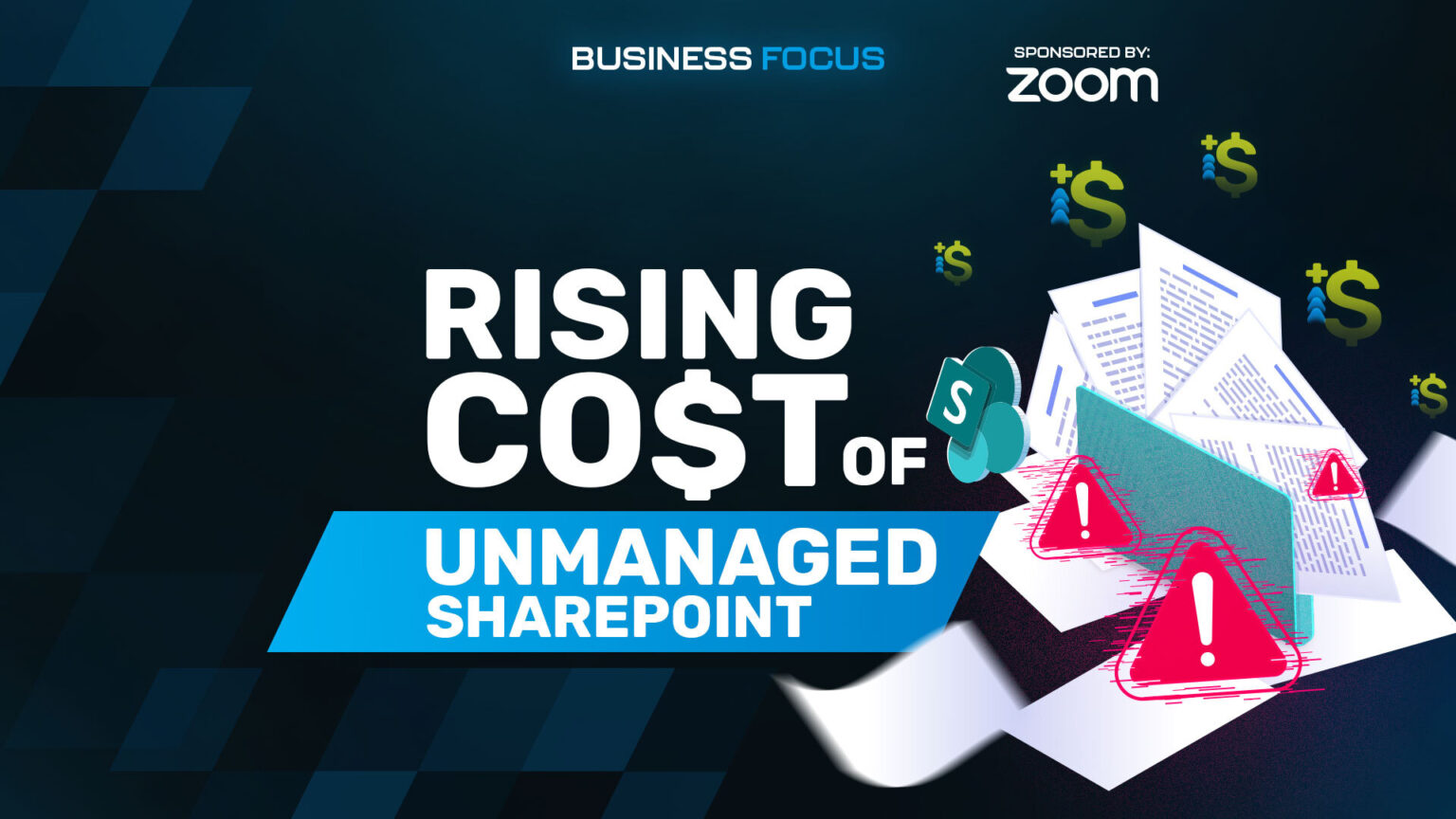
AI Readiness, Privacy Act Changes & Rising Storage Costs in SharePoint
In this second episode of the SharePoint Focus series, Alyssa Blackburn from AvePoint and Mia Tate, Microsoft 365 Practice Lead at First Focus, discuss the practical steps Australian organisations need to take to prepare SharePoint for AI tools, manage the impact of the Privacy Act changes, and tackle the rising costs of data storage. The conversation builds on Episode 1, which introduced why SharePoint governance is receiving so much attention, and moves into the how – preparing systems and people for the future of collaboration and compliance.
Key takeaways
- AI readiness starts with clean, consolidated and structured data.
- Begin with a stocktake: know where your data is and what is relevant.
- Use tools like AvePoint and Opus to analyse, migrate and govern content.
- Governance is no longer set-and-forget; it must be ongoing and shared.
- Review data for retention, archives, duplicates and version history to save costs.
- Cloud storage costs are rising due to volume, not just price – proactive action saves money.
- Case studies show savings of 30% on average, with millions saved in some cases.
- Proactive management ensures compliance with Privacy Act changes and positions you for AI success.
Watch the episode
Why data readiness matters before AI
Artificial intelligence is only as powerful as the information it draws on. If your SharePoint data is messy, inconsistent or spread across multiple platforms, AI tools will deliver unreliable outcomes. Preparing for AI starts with ensuring that data is accurate, timely, tells a clear story and is accessible to the right people. Organisations must also identify sensitive and business-critical data to secure it appropriately.
- Confirm where data lives, whether in SharePoint, Teams, OneDrive or third-party platforms.
- Identify what information is still relevant and what is obsolete or trivial.
- Determine sensitivity levels and business value to prioritise protection.
Consolidating and mapping your data
The first practical step is consolidation. Many businesses still hold information across Google Drive, Dropbox, file servers and even desktops. Without a central view, it is impossible to manage or secure the content properly. A stocktake provides clarity and lays the groundwork for compliance with the Privacy Act, which requires organisations to know what information they hold and how it is managed.
Through this process businesses can:
- Remove duplication across platforms.
- Assess legal or industry-specific retention requirements.
- Mark highly sensitive information for extra security controls.
- Streamline migration into Microsoft 365 to reduce overheads.
Tools that make it possible
Managing this scale of data manually is impossible. First Focus uses a combination of tools including AvePoint Policies and Insights, AvePoint Fly, and Opus dashboards. These provide visibility across multiple platforms such as Google Drive, Dropbox, Box, servers and OneDrive. The analysis helps us recommend strategies for restructuring, setting permissions and applying governance policies tailored to each business.
From one-off clean ups to ongoing governance
In the past, organisations often treated information management as a one-time clean up. They would run a migration, declutter content, and then move on. Today that approach creates risk. Privacy Act obligations, AI adoption and the constant generation of new files mean governance must be continuous. Organisations need dashboards, alerts and reporting that show how data is being used, highlight risky activity and ensure policies are being followed.
Shared accountability for permissions
Permissions in SharePoint are granular and complex. Relying on a small central IT team is no longer enough. The modern approach is shared accountability, where data owners and teams participate in reviewing access rights. Regular prompts to confirm who should still have access ensure that old permissions are removed and sensitive information is kept secure without blocking collaboration.
Making retention decisions
Once analysis is complete, businesses must make retention decisions. This process often requires legal and compliance input alongside business priorities. For example:
- Data older than seven years may be deleted or archived.
- Media files may be moved to Azure for cheaper storage.
- Duplicates should be removed once validated.
- Active data should be optimised and migrated into SharePoint for ongoing use.
The outcome is a cleaner, more manageable environment that saves money and reduces risk.
The rising cost of storage in Microsoft 365
Storage is one of the strongest drivers for action. As organisations digitise more processes, create video marketing, and adopt AI, data volumes explode. Even simple documents now contain images, charts and tables, making them far larger than they were a decade ago. Add version histories and recycle bins, and storage use skyrockets.
Many businesses find themselves exceeding licensed limits. One organisation licensed for 100 terabytes discovered it was storing 880 terabytes, with 680 terabytes consumed by version histories alone. Cleaning up unnecessary versions instantly freed storage capacity without deleting valuable data.
Real-world cost savings
Australian organisations are seeing significant savings by addressing storage issues. One engineering firm reduced costs by $1.3 million in the first year by cleaning up duplicates and moving archives to cheaper storage. Across industries, file analysis typically delivers a 30% reduction in storage costs. That money can be reinvested in AI initiatives, Copilot licences, or digital transformation projects that create competitive advantage.
Proactive vs reactive management
It is not a question of whether you will face challenges with storage, compliance and governance – it is a question of when. Businesses can either wait until problems become urgent and costs blow out, or act now to create a proactive governance plan. Early action avoids crises, ensures compliance with the Privacy Act, and positions organisations to use AI effectively.
Conclusion
Episode 2 makes it clear that AI readiness, privacy compliance and cost control all start with the same foundation: clean, consolidated and well-governed data. Organisations that invest in proactive governance now will save money, reduce risk and unlock the full value of their information in Microsoft 365.